Trailer Interchange vs. Non-Owned Trailer Coverage
See How We're Different
or call us: 1-800-969-9740
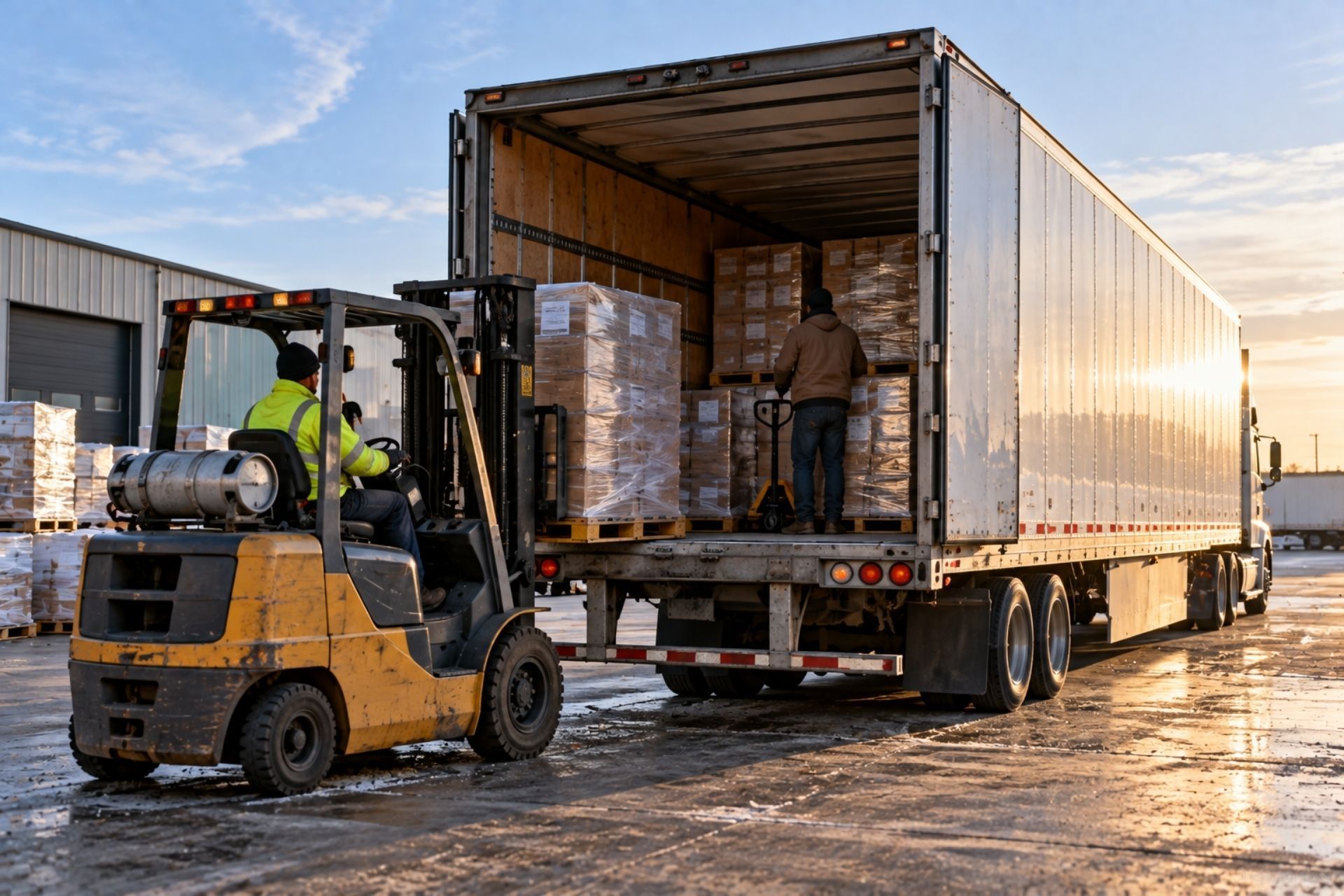
Every motor carrier eventually hauls a trailer that isn't on their own schedule. Maybe you're pulling a shipper's box under a broker arrangement, or you've signed an interchange deal with another carrier to swap equipment at a rail yard. Either way, if that trailer gets wrecked, stolen, or damaged while you're responsible for it, your standard auto liability policy won't cover the physical damage to the trailer itself. That's where the distinction between trailer interchange insurance and non-owned trailer physical damage coverage becomes critical. These two policy types address the same basic problem: protecting you financially when equipment you don't own gets damaged in your care. But they're triggered by different circumstances, cover different scenarios, and leave different gaps. Confusing the two, or buying the wrong one, can leave your business exposed to five- and six-figure repair bills. With insurance premiums accounting for roughly 11 cents of every mile driven, getting the right coverage matters more than ever. The wrong choice doesn't just waste premium dollars: it can leave you uninsured exactly when you need protection most.
Understanding Liability for Trailers You Don't Own
The confusion around trailer damage coverage isn't accidental. The term "trailer interchange" gets thrown around loosely in the trucking industry, and that imprecision causes real problems. As one industry analysis puts it, the term is often used loosely to describe any trailer a motor carrier uses, even when no formal interchange agreement exists. Insurance companies draw a hard line between these situations, and if you don't understand that line, the consequences can be severe.
Your standard trucking liability policy covers bodily injury and property damage you cause to others. It does not cover physical damage to a trailer someone else owns that happens to be in your possession. That's a separate exposure entirely. Think of it this way: liability covers what you do to the world, while physical damage coverage protects the equipment itself.
Two distinct products exist to fill this gap. Trailer interchange insurance applies when you have a written agreement to swap trailers with another party. Non-owned trailer physical damage (NOTPD) coverage applies when you're pulling someone else's trailer without a formal interchange contract. The trigger for each policy is different, the scope of protection varies, and the price points reflect those differences. Getting them mixed up is one of the most common, and most expensive, mistakes we see carriers make.
Trailer Interchange Insurance: Coverage for Written Agreements
Trailer interchange insurance exists for a specific situation: you've signed a written interchange agreement with another motor carrier, a railroad, or a shipping company, and you're taking temporary possession of their trailer. The policy protects you against physical damage to that trailer while it's in your care, custody, and control under the terms of that agreement.
This type of coverage is common in intermodal operations. A carrier picks up a container chassis at a rail yard, hauls it to a warehouse, and returns it. During that window, any collision, theft, fire, or vandalism damage to the trailer falls on the carrier who signed the interchange agreement. Without the right insurance, you're paying for repairs or replacement out of pocket.
How Physical Damage Protection Works
Physical damage under a trailer interchange policy typically mirrors what you'd see on your own equipment coverage: collision, comprehensive, and sometimes specified perils. If you rear-end another vehicle and the interchanged trailer is damaged, collision coverage responds. If the trailer is stolen from a truck stop overnight, comprehensive kicks in. Deductibles apply just like they would on your own scheduled trailers.
Coverage limits usually reflect the replacement value of the trailers you're pulling. A new 53-foot dry van in 2026 is priced between $38,000 and $48,000, while a new refrigerated unit typically costs between $60,000 and $90,000+ (https://truckdispatchexperts.com/resources/truck-trailer-prices-2026-guide/). Your insurer will want to know the types and values of trailers you typically interchange so they can price the policy correctly.
The Role of the Interchange Agreement
The written interchange agreement is the policy's on-off switch. Trailer interchange coverage is strictly triggered by the existence of a written interchange agreement, and without that document, the policy won't respond to a claim. This is a hard requirement, not a technicality.
That agreement spells out which party is responsible for the trailer during each phase of the haul. It typically identifies the equipment, establishes the transfer point, and assigns liability for damage. If you're pulling a trailer under a verbal handshake or a load confirmation sheet that doesn't meet the definition of an interchange agreement, your trailer interchange policy won't pay. This is exactly the kind of gap that catches carriers off guard after a loss.
Non-Owned Trailer Coverage: Protecting Unscheduled Assets
Non-owned trailer physical damage coverage fills a different need. It protects you when you're hauling a trailer you don't own and there's no written interchange agreement in place. This is the more common scenario for many small and mid-size carriers. You pick up a loaded trailer at a shipper's dock, deliver the freight, and drop the empty. During that haul, you're responsible for the trailer, but you never signed an interchange contract.
NOTPD is triggered by possession rather than paperwork. If the trailer is in your care and something happens to it, the policy responds, subject to its own terms and conditions. For carriers who regularly pull customer trailers, drop-and-hook loads, or broker freight involving third-party equipment, this coverage fills a gap that would otherwise sit wide open.
Coverage While Attached to a Power Unit
Here's where NOTPD gets tricky. Most non-owned trailer policies have a significant limitation: they typically only cover a trailer while it is attached to the power unit. The moment you drop that trailer in a yard, at a dock, or at a truck stop, coverage may cease.
This matters because a lot of damage happens when trailers are sitting still. Wind flips an empty trailer in a yard. Someone backs into it at a dock. A thief strips the tires overnight. If your NOTPD policy only covers the trailer while it's hooked to your tractor, none of those losses are covered. You need to read the policy language carefully and understand exactly when coverage starts and stops.
Limitations and Typical Exclusions
Beyond the attachment requirement, NOTPD policies carry other exclusions worth knowing about. Wear and tear, mechanical breakdown, and tire damage are commonly excluded. Some policies exclude damage that occurs during loading and unloading if the carrier's driver isn't present. Pre-existing damage is another frequent dispute: if you don't document the trailer's condition at pickup, the trailer owner may try to pin old damage on you.
NOTPD also won't cover trailers you've leased long-term or have a purchase option on. Those trailers should go on your own physical damage schedule. The policy is designed for temporary, incidental possession of equipment that belongs to someone else.
Key Differences at a Glance
The core distinction between these two coverage types comes down to what triggers the policy. Trailer interchange requires a written contract. Non-owned trailer coverage requires physical possession. Everything else, from when coverage applies to what happens with dropped trailers, flows from that fundamental difference.
Carriers who operate in intermodal environments or have formal equipment-sharing arrangements with other trucking companies need interchange coverage. Carriers who primarily pull customer trailers or handle drop-and-hook freight without interchange agreements need NOTPD. Many fleets need both.
Comparison Table: Interchange vs. Non-Owned
| Feature | Trailer Interchange | Non-Owned Trailer (NOTPD) |
|---|---|---|
| Coverage Trigger | Written interchange agreement | Physical possession of trailer |
| Covers Dropped/Unhooked Trailers | Yes, while in your possession | Typically no, only while attached |
| Common Use Case | Intermodal, rail yards, carrier swaps | Drop-and-hook, customer trailers |
| Requires Formal Contract | Yes, always | No |
| Physical Damage Types | Collision, comprehensive, specified perils | Collision, comprehensive (varies) |
| Typical Limit Range | Based on replacement value | Based on replacement value |
| Premium Cost | Generally higher | Generally lower |
Common Questions About Trailer Insurance
Do I need both types of coverage for my fleet?
It depends on your operations. If you sign interchange agreements and also pull customer trailers without formal contracts, you need both. A carrier doing only drop-and-hook work for shippers probably only needs NOTPD, while an intermodal-focused operation likely needs interchange coverage. Talk to a broker who specializes in trucking to audit your actual exposure.
What happens if a trailer is damaged while unhooked?
This is one of the biggest coverage gaps in the industry. Non-owned trailer policies usually stop covering the trailer once it's detached from your power unit. Trailer interchange coverage, on the other hand, follows the trailer while in a carrier's possession even if it is dropped or unhooked. If you regularly drop trailers at yards or docks, this distinction alone could determine which policy you need.
Does my standard liability cover a borrowed trailer?
No. Your auto liability policy covers bodily injury and property damage you cause to third parties. It doesn't cover physical damage to a trailer in your possession, whether you own it or not. You need a separate physical damage policy, either interchange or NOTPD, to protect against damage to the trailer itself.
How do I determine the right coverage limit for trailers?
Base your limit on the most valuable trailer you're likely to haul. A used 53-foot dry van might be worth $18,000 to $28,000, but a new reefer unit can exceed $90,000 (https://truckdispatchexperts.com/resources/truck-trailer-prices-2026-guide/). If you're pulling specialized equipment like multi-temp refrigerated trailers, values frequently exceed $100,000 (https://otrucking.com/resources/guides/reefer-trailer-cost/). Set your limit to cover the worst-case replacement scenario, not the average.
Making the Right Choice for Your Trucking Business
Choosing between trailer interchange and non-owned trailer physical damage coverage isn't an either-or decision for many carriers. It's a question of matching each policy to the specific situations your fleet encounters. The written agreement is the dividing line: if you have one, interchange coverage applies. If you don't, NOTPD is your safety net.
The cost of getting this wrong keeps rising. Premium costs in higher insurance layers have surged by 45% between 2021 and 2024, and claims on uninsured trailer damage only add to that pressure. A single totaled reefer trailer with no coverage can wipe out months of operating profit for a small fleet.
Review your current operations honestly. Pull your last 90 days of load records and identify every trailer you hauled that wasn't on your own schedule. Sort them by whether a written interchange agreement existed. That exercise alone will tell you which coverage you need, and whether you're currently exposed. Then sit down with a trucking-specialized insurance agent who can structure the right combination of policies for your actual risk profile, not a generic package that leaves gaps where you can't afford them.