
Colorado Commercial Auto Insurance for Bars

See How We're Different
or call us: 1-800-969-9740
Running a bar in Colorado means your vehicles are on the road more than you might think. Whether it's a delivery van hauling cases of craft beer from a local distributor, a catering truck heading to a weekend event in Vail, or a manager running to the bank with the night's deposit, your business relies on wheels. And every mile driven creates exposure to liability that your general liability policy won't cover.
Colorado's insurance costs run higher than most states. Liability and auto-related insurance premiums in the state sit roughly 19% above the national average thanks to elevated medical costs and a lawsuit-friendly legal environment. For bar owners, that reality makes choosing the right commercial auto insurance more than a formality. It's a financial decision that can protect your business from a six-figure judgment or leave you scrambling to cover damages out of pocket.
The good news? You don't need to overpay or over-insure. You need to understand what you're covering, why Colorado's rules matter, and where the gaps hide. That's what this guide is built to help you do.
Most bar owners think of insurance in terms of slip-and-fall claims or liquor liability. Auto coverage barely crosses their minds until a delivery driver rear-ends someone on I-25 during rush hour. The truth is, bars have more vehicle exposure than most small businesses in the hospitality sector.
Think about the typical week. You might send an employee to pick up a last-minute keg order. Your catering team might load a van for a corporate event in Denver. A barback might use their own car to grab supplies from Costco. Each of those trips creates a liability window, and your personal auto policy or general liability coverage won't fill it.
Colorado law holds employers responsible for accidents that occur while employees are performing work-related tasks, even if they're driving their own cars. That single fact makes commercial auto coverage a necessity, not a luxury.
Protecting Your Liquor Delivery and Catering Services
If your bar owns a delivery vehicle or catering van, you need a commercial auto policy on that vehicle. Period. A personal auto policy won't cover a vehicle used for business purposes, and any claim filed under one will likely be denied.
Bars that deliver alcohol face an added layer of risk. Colorado's dram shop laws mean you could be liable if a delivery contributes to an intoxication-related incident. Your commercial auto policy won't cover dram shop claims directly, but it protects the vehicle, the driver, and third-party property damage during transit. Pair it with your liquor liability coverage, and you've closed a major gap.
Catering operations add mileage, unfamiliar routes, and heavier vehicle loads. All of these increase accident probability. A properly structured policy accounts for vehicle weight class, cargo value, and the frequency of trips outside your normal service area.
The Risk of Employee Errands and Personal Vehicle Use
Here's where many bar owners get caught off guard. Your bartender uses their own Honda Civic to pick up a case of limes from the supplier. On the way back, they cause a fender bender. The injured party sues your bar, not just the bartender.
Without Hired and Non-Owned Auto (HNOA) coverage, your business has no protection in that scenario. The bartender's personal auto policy might cover their own liability, but it won't cover your business as a named party in a lawsuit. And if the bartender is underinsured or uninsured? You're fully exposed.
This risk multiplies when you consider how often bar employees run errands. A 2026
hospitality market analysis found that food and beverage establishments average 8 to 12 employee-driven errands per week using personal vehicles. That's a lot of uninsured exposure if you haven't addressed it.

By: John R. Thomas
Commercial Lines Director and Managing Partner at Loft & Co Insurance Services
A standard commercial auto policy covers vehicles your business owns, leases, or rents. It includes liability, collision, comprehensive, medical payments, and uninsured/underinsured motorist protection. For many bars, a standard policy is enough if you own one or two vehicles and use them consistently.
Specialized coverage becomes necessary when your operations include catering, event services, or frequent use of employee-owned vehicles. Bars with mobile bar setups, food trucks, or multi-location operations often need endorsements or standalone policies that a basic commercial auto plan won't include.
Colorado State Minimums vs. Recommended Limits
Colorado requires minimum liability limits of 25/50/15 for commercial vehicles: that's $25,000 per person for bodily injury, $50,000 per accident, and $15,000 for property damage. You can review the state's commercial automobile policy requirements through the Division of Insurance.
Those minimums are dangerously low for a bar. A single accident involving a hospitalization can exceed $25,000 in medical bills within hours. If your driver causes a multi-vehicle collision, $50,000 won't come close to covering the total damages.
We recommend carrying at least 100/300/100 limits for any bar operating vehicles in Colorado. If you run catering operations or deliver alcohol, consider a $1 million combined single limit (CSL) policy. The premium difference between state minimums and adequate coverage is often only $400 to $800 per year, a small price compared to a judgment that could close your doors.
Hired and Non-Owned Auto (HNOA) Coverage
HNOA coverage is the policy most bar owners don't know they need until it's too late. It covers two specific situations: vehicles you hire or rent for business use, and employee-owned vehicles used for work tasks.
For Colorado bars, HNOA is particularly important because of how the state handles employer liability. If an employee causes an accident while on a work errand, your bar can be named in the lawsuit. HNOA steps in to cover your business's legal defense and any resulting judgment.
The cost is surprisingly low. Most bars can add HNOA to their existing general liability or commercial auto policy for $200 to $500 per year. Given that a single uninsured errand accident could generate a $100,000+ claim, it's one of the most cost-effective endorsements you can buy.
Bar owners sometimes assume their general liability policy covers vehicle-related incidents. It doesn't. These are two distinct coverage types that protect against different risks.
Coverage Comparison Table
| Feature | General Liability | Commercial Auto |
|---|---|---|
| Slip-and-fall at your bar | Covered | Not covered |
| Vehicle accident during delivery | Not covered | Covered |
| Property damage from driving | Not covered | Covered |
| Customer injury on premises | Covered | Not covered |
| Employee using personal car for work | Not covered | Covered (with HNOA) |
| Liquor liability claims | Requires endorsement | Not covered |
| Hired/rented vehicle accidents | Not covered | Covered (with HNOA) |
| Typical annual cost for CO bars | $1,200 - $3,500 | $1,800 - $5,000 |
The key takeaway from this table: these policies don't overlap. You need both. A general liability policy protects your physical location and on-premises operations. Commercial auto insurance for bars in Colorado protects everything that happens between your bar and wherever your vehicles travel.
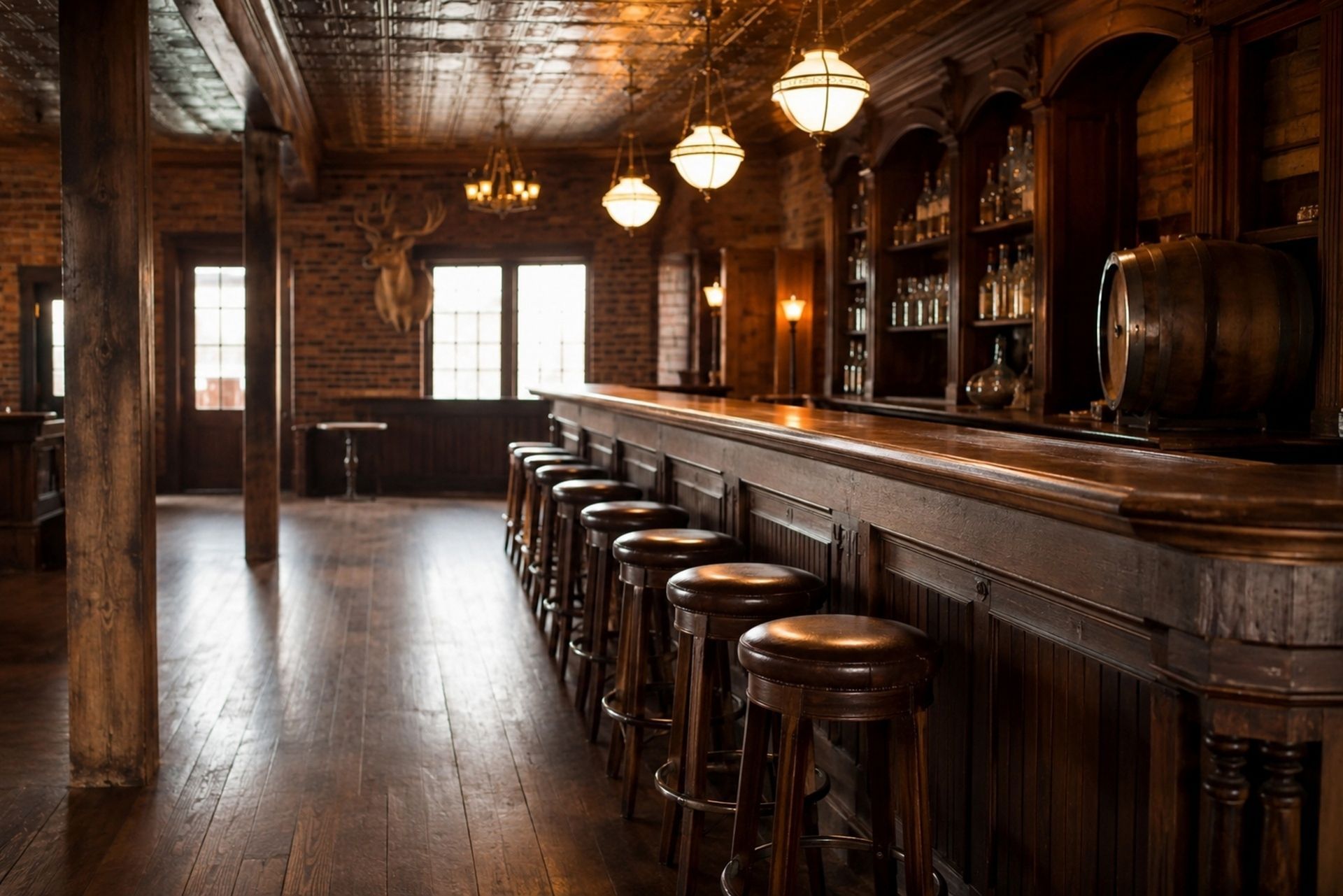
Your premium isn't pulled from thin air. Insurers use specific data points to calculate your rate, and understanding them gives you the ability to control costs.
Colorado's insurance rate environment has been trending upward since 2023, driven by rising repair costs, medical inflation, and increased claim frequency along the Front Range corridor. That said, your individual premium depends on factors you can influence.
Driver Safety Records and MVR Checks
Every driver on your policy will have their Motor Vehicle Record (MVR) pulled. Insurers look at the past three to five years for accidents, moving violations, and DUI/DWI history. For a bar, DUI convictions among employees are a red flag that can spike your premium by 30% or more.
Colorado's hands-free driving law makes cell phone violations a moving offense. Drivers on your policy who've been cited for distracted driving will cost you more. Run MVR checks before adding any employee to your commercial auto policy, and consider a written driving policy that sets clear expectations.
Vehicle Type and Usage Frequency
A 2024 Ford Transit used for daily deliveries across Denver will cost more to insure than a 2020 Toyota Tacoma used twice a month for supply runs. Insurers weigh vehicle type, age, value, cargo capacity, and annual mileage.
Bars that limit vehicle use to specific employees and track mileage can often negotiate lower premiums. If you only use your van for weekly deliveries, make sure your insurer knows that. Overestimating usage means overpaying.
Garaging location matters too. A vehicle parked overnight in LoDo will carry a higher comprehensive premium than one garaged in a suburban lot in Littleton. Where you store your vehicles affects theft and vandalism risk calculations.
Do I need commercial auto insurance if I only use my personal truck for bar errands? If you're using a personal vehicle for any business purpose, your personal auto policy may deny a claim. HNOA coverage on your business policy is the safest way to close that gap.
Can I bundle commercial auto with my bar's general liability policy? Yes. Most insurers offer a Business Owners Policy (BOP) that can include or be paired with commercial auto coverage. Bundling often saves 10-15% compared to separate policies.
How does Colorado's hands-free law affect my coverage? It doesn't change your coverage directly, but violations under the state's distracted driving statute will increase your premium. Employees with cell phone citations are considered higher-risk drivers.
What happens if my employee gets in an accident using their own car for a delivery? Without HNOA coverage, your business could be held liable with no insurance protection. The employee's personal policy covers their liability, but your bar's financial exposure remains uncovered.
Does my policy cover a rented refrigerated truck for a catering event? Standard commercial auto policies don't automatically cover rented vehicles. You'll need an HNOA endorsement or a separate hired auto provision. Check your policy language before signing any rental agreement.
How often should I review my commercial auto policy? At least annually, or whenever you add a vehicle, hire new drivers, or expand services like catering. Colorado's Division of Insurance publishes regulatory updates that may affect your coverage requirements.
Making the Right Choice for Your Establishment
Getting commercial auto coverage right for your Colorado bar comes down to three things: knowing your actual vehicle exposure, carrying limits that reflect real-world claim costs, and closing the HNOA gap that catches so many hospitality businesses off guard.
Don't default to state minimums. A $15,000 property damage limit won't cover a totaled SUV, let alone a multi-vehicle accident on a snowy Colorado highway. Talk to a broker who specializes in hospitality or bar insurance, not a generalist who writes the same policy for every small business.
Review your policy every year. Your operations change, your drivers change, and Colorado's regulatory environment shifts regularly. The bar that stays protected is the one that treats insurance as an ongoing business decision, not a box to check once and forget.
Start by auditing your current vehicle use. Count every errand, every delivery, every employee who drives for work. That list is your starting point for building coverage that actually fits.
About The Author:
John R. Thomas
As Commercial Lines Director and Managing Partner at Loft & Co Insurance Services, I specialize in crafting strategic insurance solutions for businesses—especially contractors, real estate owners, logistics firms, and industry-specific operations. With years of experience in risk management and policy design, I’m committed to delivering clarity, value, and protection that helps you focus on growth.
Contact Us
Risk Management from Real Experts With You in Charge
Professional Policies Designed For Your Business.
Enjoy tailored insurance and risk management solutions customized to your industry and business size.

Colorado Commercial Insurance Blog


Contact Us
Phone
Location
Denver
5990 Greenwood Plaza Blvd, Ste 270
Greenwood Village, CO 80111
Des Moines
130 E 3rd St. Ste 201
Des Moines, IA 50309