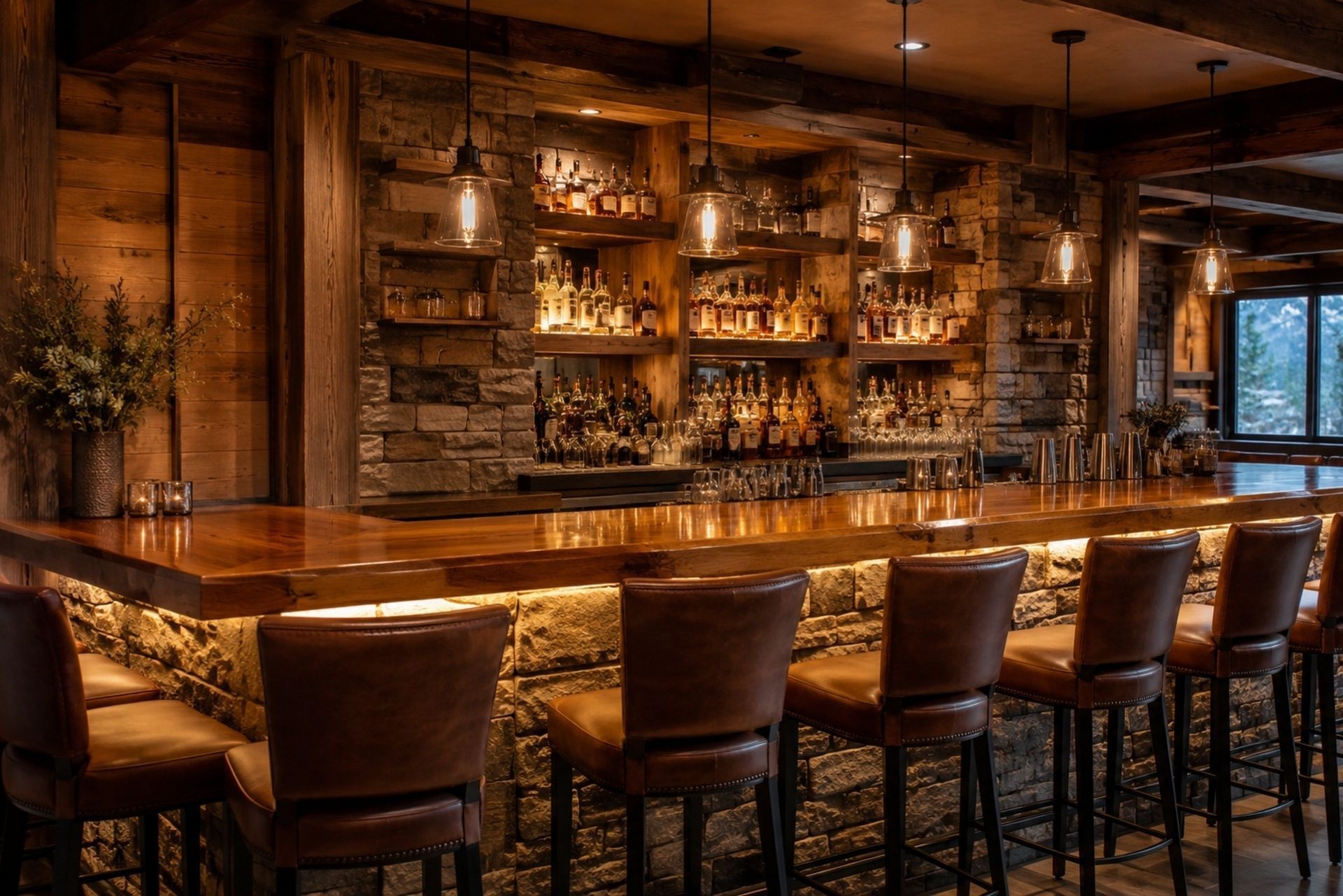
Colorado Employment Practices Liability Insurance for Bars

See How We're Different
or call us: 1-800-969-9740
A single wrongful termination lawsuit can cost a small bar owner $75,000 to $200,000 in legal fees and settlements, even when the claim has no merit. For
Colorado bar owners specifically, the risk is compounded by one of the most employee-friendly regulatory environments in the country. The state's Division of Labor Standards and Statistics has ramped up enforcement activity, and new wage and hour rules taking effect in 2026 have added fresh compliance obligations that many small hospitality operators don't even know about yet. Employment practices liability insurance for bars in Colorado isn't a luxury reserved for large restaurant groups. It's a financial safety net that keeps a frivolous or legitimate employee claim from draining your business account. If you employ even one person, you're exposed. And if you run a bar, where late nights, alcohol, and high-stress shifts create a volatile mix, that exposure multiplies fast. Ignoring this coverage is a bet most bar owners can't afford to lose.
Understanding EPLI for Colorado's Hospitality Industry
Employment practices liability insurance, or EPLI, covers the costs of defending against and settling employee claims related to wrongful termination, discrimination, harassment, retaliation, and certain wage disputes. For Colorado bar owners, this type of policy fills a critical gap that general liability and liquor liability simply don't touch.
The bar industry has unique characteristics that make it a magnet for employment-related claims. You're managing a workforce that skews young, often works irregular hours, and operates in an environment where alcohol is constantly present. Turnover is high, training is often informal, and documentation of disciplinary actions tends to be inconsistent. All of these factors create fertile ground for disputes.
Common Employment Claims in Bar Environments
The most frequent EPLI claims we see from bars fall into predictable categories. Sexual harassment tops the list, driven by the close-quarters, late-night atmosphere common in bar settings. Wrongful termination claims are a close second, especially when a manager fires someone in the heat of the moment without proper documentation.
Discrimination claims based on age, race, or gender also surface regularly. Retaliation claims are growing too, particularly when employees report safety concerns or wage issues and then face schedule cuts or termination shortly after. Wage and hour disputes round out the top five, often involving tip pooling violations, overtime miscalculations, or failure to pay for closing duties performed off the clock.
Why Colorado Labor Laws Increase Your Risk
Colorado has positioned itself as one of the most protective states for workers. The Colorado Overtime and Minimum Pay Standards Order (COMPS Order) sets rules around breaks, overtime, and minimum wage that go beyond federal requirements. The state's 2026 updates to wage and hour rules have introduced new pay calculation requirements that affect how you compensate tipped employees.
On top of that, Colorado's Equal Pay for Equal Work Act requires salary transparency in job postings and prohibits asking about prior salary history. The state also has strong anti-retaliation protections. Recent
changes to Colorado employment law in 2026 have expanded worker protections further. Miss any of these requirements, and you're looking at a potential claim, whether or not you intended to violate the law.
By: John R. Thomas
Commercial Lines Director and Managing Partner at Loft & Co Insurance Services
Core Coverages vs. Policy Add-ons
A standard EPLI policy covers defense costs, settlements, and judgments arising from employment-related claims made by current, former, or prospective employees. But not all policies are built the same, and bar owners need to understand what's included in a base policy versus what requires an endorsement.
Protection Against Harassment and Discrimination
Every EPLI policy should cover claims of sexual harassment, racial discrimination, age discrimination, disability discrimination, and related allegations. This is the core of the coverage. Your policy pays for an attorney to defend you and covers settlement amounts or court judgments up to your policy limit.
What many bar owners don't realize is that defense costs alone can exceed $50,000, even for a claim that gets dismissed. The policy's duty to defend kicks in when a claim is made, regardless of whether it has merit. That's the real value here: you're not paying out of pocket for a lawyer while your business hangs in the balance.
Third-Party Liability for Customer Interactions
Standard EPLI policies cover claims from employees. But bars face a unique risk: customers harassing staff, or staff interactions with customers that lead to discrimination allegations. Third-party EPLI coverage, typically available as an add-on endorsement, protects you when a non-employee brings a claim.
For example, if a patron alleges that your bouncer used racial slurs while refusing entry, that's a third-party employment practices claim. Without the endorsement, your base EPLI policy won't respond. Given the nature of bar operations, this add-on is worth every dollar.
Wage and Hour Defense Coverage
Traditional EPLI policies often exclude wage and hour claims entirely. This is a problem for Colorado bar owners because wage disputes are among the most common claims in the hospitality sector. Some carriers now offer wage and hour defense cost coverage as a separate endorsement. It typically won't cover the actual wages owed, but it will pay for your legal defense.
Colorado's
strategic enforcement efforts through the Division of Labor Standards have made wage violations a priority. The state has also
updated several labor law posting requirements for 2026, and failure to display current posters can trigger complaints. Getting the wage and hour endorsement is a smart move if your bar relies heavily on tipped workers.
Many bar owners assume their general liability policy or their business owner's policy covers employment disputes. It doesn't. These are fundamentally different types of coverage designed for different risks.
Comparison Table: Coverage Gap Analysis
| Scenario | General Liability | EPLI |
|---|---|---|
| Customer slips on wet floor | Covered | Not covered |
| Bartender files sexual harassment claim | Not covered | Covered |
| Former employee sues for wrongful termination | Not covered | Covered |
| Patron alleges discriminatory service | Not covered | Covered (with third-party endorsement) |
| Employee claims unpaid overtime | Not covered | Defense costs covered (with endorsement) |
| Property damage from a bar fight | Covered | Not covered |
| Retaliation claim after firing a whistleblower | Not covered | Covered |
The gap is clear. General liability handles bodily injury and property damage caused by your operations. EPLI handles the people-management side of running your business. You need both.
EPLI premiums for a small Colorado bar typically range from $800 to $3,500 annually, depending on several risk factors. Most Colorado hospitality businesses with clean claims histories experienced modest premium increases of 5% or less heading into mid-2026, making this a relatively stable line of coverage right now.
Staff Turnover Rates and Employee Count
Carriers look closely at how many employees you have and how often they leave. A bar with 15 employees and 80% annual turnover presents a much higher risk profile than one with 8 employees and 30% turnover. Every termination is a potential claim, so high turnover directly correlates with higher premiums.
Your employee count also determines your exposure. More employees mean more potential claimants. Seasonal staffing fluctuations common in Colorado's mountain resort towns can complicate this, so be upfront with your carrier about peak and off-season headcounts.
The Importance of Formal Employee Handbooks
One of the most effective ways to lower your EPLI premium is to have a written employee handbook that covers anti-harassment policies, complaint procedures, disciplinary processes, and at-will employment language. Carriers view a handbook as evidence that you're proactively managing risk.
If you don't have a handbook, some insurers will decline to quote you altogether. Others will charge a significantly higher premium. A handbook doesn't need to be 100 pages. A clear, well-organized 20-page document reviewed by a Colorado employment attorney will do the job and can save you 10% to 15% on your annual premium.
FAQ: Do I need EPLI if I only have two employees?
Yes. There's no minimum employee threshold for employment claims. A single wrongful termination or harassment allegation from one of your two employees can cost tens of thousands in defense fees alone.
FAQ: Does this cover me if a customer harasses my staff?
Not under a standard policy. You'll need a third-party EPLI endorsement to cover claims arising from customer-to-employee interactions. Ask your agent about this specifically.
FAQ: Will my policy pay for lost wages in a settlement?
Yes, most EPLI policies cover settlement amounts that include back pay and lost wages as part of the resolution. The policy pays up to your coverage limit, minus your retention (deductible).
FAQ: How is EPLI different from Workers' Comp?
Workers' comp covers medical bills and lost wages from physical injuries sustained on the job. EPLI covers legal claims related to how you manage, hire, and fire employees. They protect against completely different risks.
FAQ: Does it cover wrongful termination during a trial period?
It can. Even probationary employees can file wrongful termination claims, especially if they allege the firing was based on discrimination or retaliation. Your EPLI policy would cover the defense and any resulting settlement.
Making the Right Choice for Your Establishment
Running a bar in Colorado means operating under some of the strictest employment regulations in the country, with a workforce that's inherently high-risk for disputes. Employment practices liability coverage for Colorado bars isn't something to add "someday." It belongs in your insurance program right now, alongside your general liability and liquor liability policies.
Start by requesting quotes from at least two carriers that specialize in hospitality. Ask specifically about third-party endorsements and wage and hour defense coverage. Make sure your agent understands the latest shifts in the U.S. employment practices liability market and can match you with a policy that reflects your actual operations, not a generic template.
Get your employee handbook in order, document every disciplinary action, and train your managers on proper termination procedures. These steps won't just lower your premium. They'll reduce the chance you ever need to file a claim in the first place. The best EPLI policy is one you never have to use, but you'll be grateful it's there the moment you do.
About The Author:
John R. Thomas
As Commercial Lines Director and Managing Partner at Loft & Co Insurance Services, I specialize in crafting strategic insurance solutions for businesses—especially contractors, real estate owners, logistics firms, and industry-specific operations. With years of experience in risk management and policy design, I’m committed to delivering clarity, value, and protection that helps you focus on growth.
Contact Us
Risk Management from Real Experts With You in Charge
Professional Policies Designed For Your Business.
Enjoy tailored insurance and risk management solutions customized to your industry and business size.
Colorado Commercial Insurance Blog



Contact Us
Phone
Location
Denver
5990 Greenwood Plaza Blvd, Ste 270
Greenwood Village, CO 80111
Des Moines
130 E 3rd St. Ste 201
Des Moines, IA 50309