
Umbrella Insurance for Colorado Directional Boring

See How We're Different
or call us: 1-800-969-9740
A single frac-out on a Denver-area drilling project can trigger cleanup costs exceeding $500,000. Add in third-party property damage, regulatory fines, and business interruption claims, and you're looking at liability exposure that could bankrupt a mid-sized boring contractor overnight. Your
general liability policy probably caps out at $1 million or $2 million, which sounds substantial until you're facing a utility strike that disrupts service to thousands of customers. This is precisely why
umbrella insurance for
directional boring contractors in Colorado has become essential rather than optional. The state's complex geology, dense
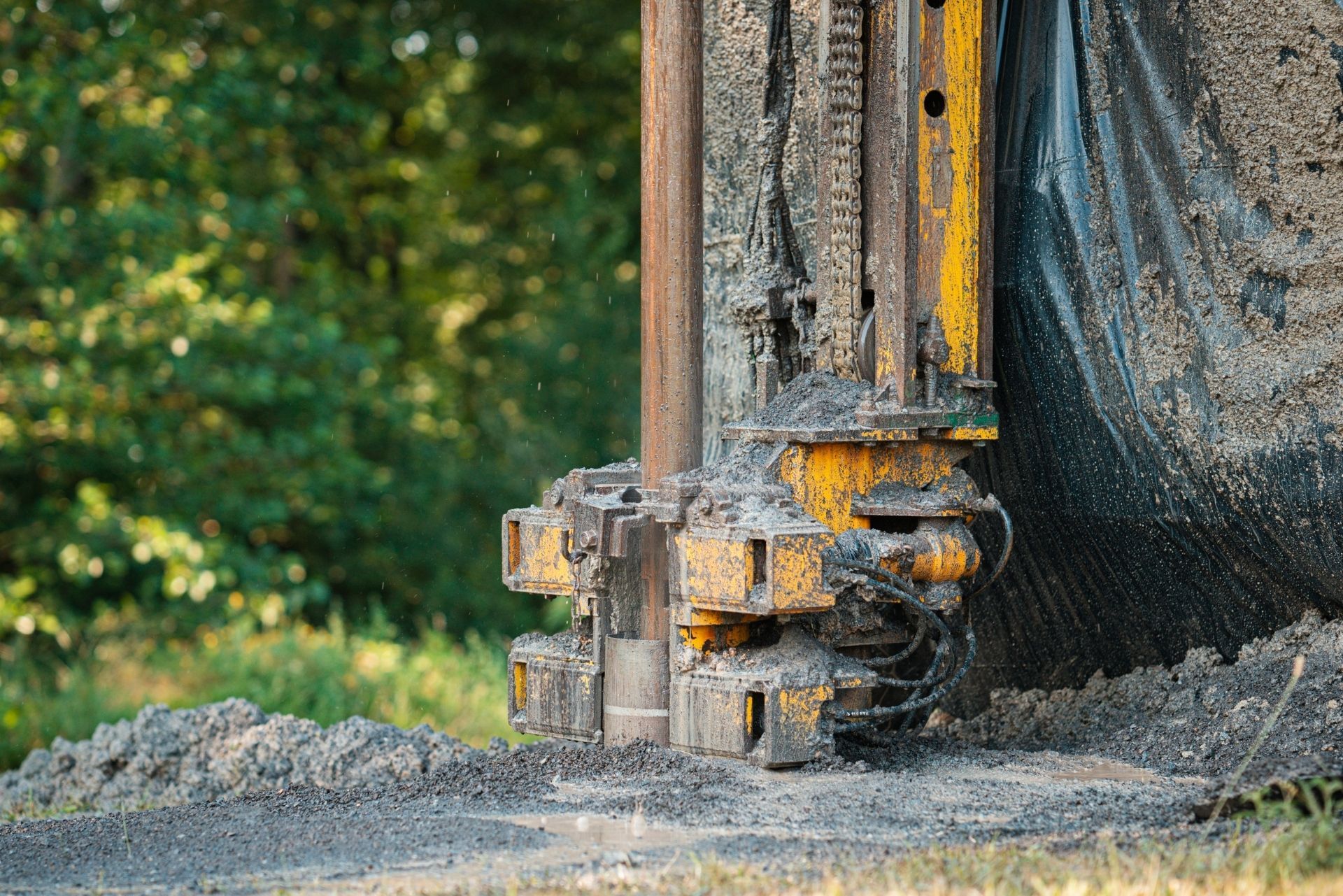
underground utility networks, and strict environmental regulations create a risk profile that standard policies simply can't address. Whether you're drilling beneath I-70 for a fiber installation or boring under the South Platte for a municipal water line, the potential for catastrophic claims lurks beneath every project. Understanding how
excess liability coverage works, what it costs, and how to structure it properly could mean the difference between surviving a major claim and shutting your doors.
The Essential Role of Umbrella Insurance in Colorado Trenchless Technology
Directional boring operations face liability exposures that dwarf those of conventional construction. You're working blind beneath the surface, threading drill paths through congested utility corridors while hoping your locates are accurate. When something goes wrong, the damages compound quickly.
Defining Excess Liability for Directional Boring
Umbrella insurance functions as a secondary layer of protection that kicks in after your primary policies exhaust their limits. If your general liability policy has a $1 million per-occurrence limit and you face a $2.5 million claim, the umbrella covers the remaining $1.5 million up to its own policy limits. For boring contractors, umbrella policies typically provide coverage ranging from $1 million to $10 million or more, depending on your operation's size and risk profile. The policy sits above your general liability, commercial auto, and employer's liability coverage, creating a unified layer of additional protection across multiple underlying policies.
Bridging the Gaps in General Liability and Auto Policies
Standard GL policies often contain exclusions or sublimits that leave boring contractors exposed. Pollution coverage is frequently excluded or severely limited, which creates obvious problems when you're drilling through potentially contaminated soils. Auto policies cap out quickly when a drill rig transport causes a multi-vehicle accident. Your umbrella policy bridges these gaps by providing broader coverage terms and higher limits. Some umbrella policies also offer "drop-down" coverage for claims that your underlying policies exclude entirely, though this varies significantly between carriers.

By: John R. Thomas
Commercial Lines Director and Managing Partner at Loft & Co Insurance Services
High-Stakes Risks Unique to Colorado Boring Operations
Colorado presents a distinctive combination of challenges that make umbrella coverage particularly critical for directional boring contractors working in the state.
Utility Strike Hazards and Subsurface Damage
The Front Range corridor contains one of the densest underground utility networks in the Mountain West. Gas lines, fiber optic cables, water mains, and electrical conduits crisscross beneath every major thoroughfare. Despite mandatory 811 locating requirements, utility strikes remain common because older infrastructure often lacks accurate as-built documentation. A single gas line strike in a commercial district can generate claims from multiple businesses for lost revenue, emergency response costs, and property damage. These claims routinely exceed $1 million before litigation even begins.
Environmental Liabilities and Inadvertent Returns (Frac-outs)
Frac-outs occur when drilling fluid escapes to the surface through fractures in the soil, often contaminating waterways, wetlands, or private property. Colorado's environmental regulations impose strict liability for these incidents, meaning you're responsible for cleanup costs regardless of fault. The Colorado Department of Public Health and Environment can mandate remediation that costs hundreds of thousands of dollars, and affected property owners frequently pursue additional civil claims. Standard GL policies typically exclude or sublimit pollution coverage, making umbrella protection essential.
Navigating Colorado's Diverse Soil and Geologic Conditions
Drilling conditions vary dramatically across Colorado. The clay soils along the Front Range behave differently than the rocky substrates in mountain communities or the sandy conditions on the Eastern Plains. Each presents unique risks for equipment damage, bore path deviation, and surface settlement. A bore that collapses beneath a major roadway or causes foundation damage to adjacent structures can trigger claims that quickly overwhelm standard policy limits.
Contractual Requirements and Compliance Standards
Beyond protecting your own assets, umbrella coverage often determines whether you can bid on certain projects at all.
Meeting Municipal and CDOT Project Mandates
The Colorado Department of Transportation and most Front Range municipalities require contractors to carry minimum liability limits for any work within public rights-of-way. CDOT projects typically mandate $2 million to $5 million in coverage, depending on project scope and location. Denver, Aurora, and Colorado Springs each have their own requirements that often exceed what standard GL policies provide. Without adequate umbrella coverage, you're locked out of these contracts entirely.
Satisfying Master Service Agreements (MSAs) for Utility Companies
Major utility companies like Xcel Energy, CenturyLink, and Comcast require contractors to maintain substantial liability limits under their MSAs. These agreements typically specify minimum umbrella coverage of $5 million or more, and they often require you to name the utility as an additional insured. Failing to maintain required coverage can result in immediate contract termination and exclusion from future bidding opportunities.
Determining Appropriate Coverage Limits for Boring Contractors
Selecting the right umbrella limit requires honest assessment of your specific risk exposures rather than simply choosing the cheapest option.
Evaluating Project Scale and Proximity to High-Value Assets
A contractor drilling in rural areas faces different exposure than one working beneath downtown Denver. Consider the maximum potential claim you could face if everything went wrong on your largest project. Are you boring near hospitals, data centers, or critical infrastructure? Are you crossing beneath major highways or rail corridors? Your umbrella limit should reflect worst-case scenarios, not average claims. Most established Colorado boring contractors carry between $2 million and $10 million in umbrella coverage.
The Impact of Fleet Size and Heavy Equipment Transport
Your commercial auto exposure often drives umbrella requirements as much as your drilling operations. Transporting drill rigs, fluid tanks, and support equipment on Colorado highways creates significant liability exposure. A loaded equipment trailer that causes a fatal accident can generate claims exceeding $5 million. Carriers evaluate your fleet size, driver experience, and annual mileage when pricing umbrella coverage.
| Coverage Element | Standard GL Alone | With Umbrella Policy |
|---|---|---|
| Per-occurrence limit | $1M-$2M typical | $3M-$12M combined |
| Pollution coverage | Often excluded | May include limited coverage |
| Auto liability | Separate policy limits | Unified excess protection |
| Additional insured options | Limited | Broader availability |
| Contract compliance | Often insufficient | Meets most requirements |
Key Policy Exclusions and Endorsements to Monitor
Not all umbrella policies are created equal, and the differences matter enormously when claims arise. Watch for exclusions related to pollution and environmental damage, as many standard umbrellas exclude these entirely. Professional liability and errors in bore path design typically require separate coverage. Damage to underground utilities may be excluded or sublimited depending on the carrier. Contractual liability assumptions, particularly indemnification clauses in your MSAs, need specific endorsement to ensure coverage. Work with an agent who understands boring operations and can identify policy language that could leave you exposed.
Your safety practices and operational protocols directly influence what you pay for umbrella coverage. Carriers reward contractors who demonstrate commitment to loss prevention.
The Importance of 811 Locating and Damage Prevention Protocols
Documenting your 811 compliance religiously creates a paper trail that protects you in claims situations and demonstrates risk management to underwriters. Beyond basic compliance, consider implementing additional verification protocols like vacuum excavation for critical crossings and ground-penetrating radar for complex bore paths. Carriers view these practices favorably and may offer premium credits.
Leveraging Operator Training and Safety Certifications
Investing in OSHA certifications, manufacturer training programs, and industry credentials like those offered by the National Utility Contractors Association signals professionalism to insurers. Maintain detailed training records and require ongoing education for all drill operators. Some carriers offer discounts of 5-15% for contractors with comprehensive safety programs and low claims histories.
Frequently Asked Questions
How much does umbrella insurance cost for Colorado boring contractors? Premiums typically range from $1,500 to $8,000 annually per million dollars of coverage, depending on your claims history, fleet size, and project types. Contractors with clean loss runs pay significantly less than those with recent claims.
Can I get umbrella coverage if I've had a utility strike claim? Yes, though your options may be limited and premiums higher. Carriers want to see what corrective actions you've implemented since the incident. Waiting three years after a claim typically restores access to standard market pricing.
Does umbrella insurance cover pollution from frac-outs? Coverage varies significantly between policies. Some umbrellas include limited pollution coverage while others exclude it entirely. You may need a separate environmental liability policy for adequate protection.
What's the minimum umbrella limit most Colorado projects require? Municipal and CDOT projects typically require $2-5 million minimum. Utility company MSAs often mandate $5 million or more. Private commercial projects vary widely.
Do I need umbrella coverage if I only do residential boring? Residential projects generally carry lower liability exposure, but a single serious incident can still exceed standard GL limits. Most residential boring contractors carry at least $1-2 million in umbrella coverage.
Making the Right Coverage Decision
Umbrella insurance represents one of the most cost-effective risk management tools available to Colorado directional boring contractors. The premium you pay for an additional $5 million in coverage is a fraction of what a single catastrophic claim would cost your business. Work with an insurance agent who specializes in construction and understands the specific exposures of trenchless technology operations. Review your coverage annually as your business grows and your project scope expands. The right umbrella policy doesn't just protect your assets: it opens doors to larger contracts and positions your company for sustainable growth in Colorado's competitive boring market.
About The Author:
John R. Thomas
As Commercial Lines Director and Managing Partner at Loft & Co Insurance Services, I specialize in crafting strategic insurance solutions for businesses—especially contractors, real estate owners, logistics firms, and industry-specific operations. With years of experience in risk management and policy design, I’m committed to delivering clarity, value, and protection that helps you focus on growth.
Contact Us
Risk Management from Real Experts With You in Charge
Professional Policies Designed For Your Business.
Enjoy tailored insurance and risk management solutions customized to your industry and business size.

Colorado Commercial Insurance Blog




Contact Us
Phone
Location
Denver
5990 Greenwood Plaza Blvd, Ste 270
Greenwood Village, CO 80111
Des Moines
130 E 3rd St. Ste 201
Des Moines, IA 50309