
Colorado Workers Compensation Insurance for Restaurants

See How We're Different
or call us: 1-800-969-9740
Running a restaurant in Colorado means managing a constant stream of risks: hot grills, sharp knives, wet floors, and a workforce that's always on the move. A single burn injury or a server's slip on a freshly mopped floor can trigger medical bills that dwarf a week's revenue. That's why workers' compensation coverage isn't just a legal checkbox for
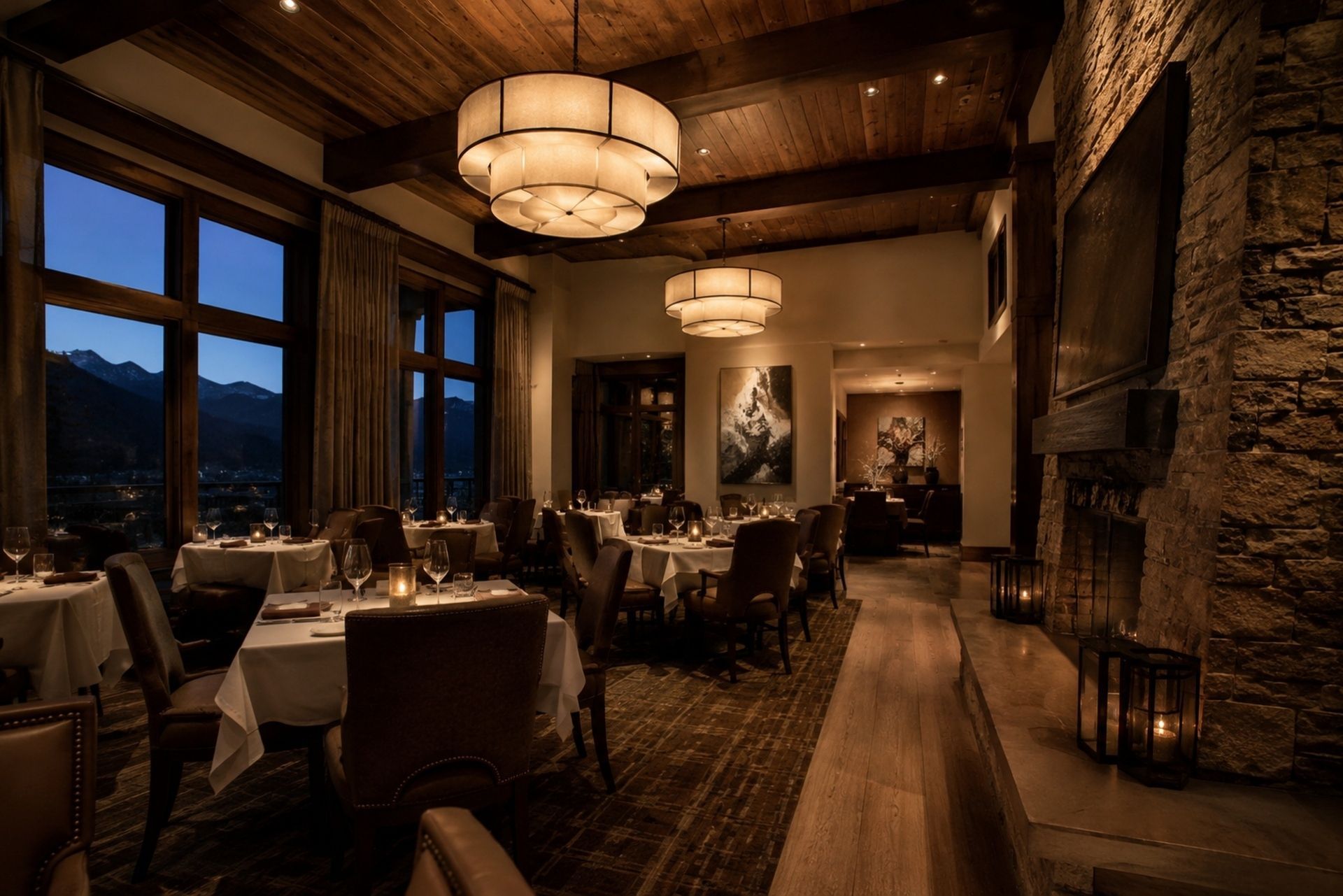
Colorado restaurant owners; it's a financial lifeline. The state has specific rules about who needs coverage, how much it costs, and what happens if you skip it. Colorado's restaurant industry employs tens of thousands of people across the Front Range, the Western Slope, and everywhere in between. Whether you run a fine-dining spot in Aspen or a taco truck in Pueblo, the same state mandates apply. Getting workers' comp insurance for your Colorado restaurant right from the start protects both your employees and your bottom line. Ignore it, and a single claim can bankrupt a small operation before the lunch rush even starts.
Colorado Workers' Compensation Mandates for Restaurant Owners
State Law Compliance and Coverage Requirements
Colorado law is straightforward: if you have one or more employees, you must carry workers' compensation insurance. There's no minimum hour threshold or part-time exemption. Your dishwasher working 15 hours a week needs the same coverage as your full-time head chef. This applies to all restaurant formats, from food trucks and catering companies to multi-location chains.
The Colorado Division of Workers' Compensation (DOWC) oversees enforcement. You can obtain coverage through a private insurance carrier, through the state fund (Pinnacol Assurance), or by self-insuring if your business meets strict financial requirements. Most restaurants go with either a private carrier or Pinnacol because self-insurance demands significant reserves that small and mid-size operators simply don't have.
Sole proprietors and members of an LLC can exempt themselves from coverage, but this exemption doesn't extend to anyone they hire. If you bring on even one employee, whether it's a seasonal prep cook or a weekend bartender, the mandate kicks in immediately.
Consequences of Non-Compliance and Fines
Skipping coverage isn't a gamble worth taking. The DOWC actively audits businesses, and penalties are steep. An uninsured employer faces fines of $250 per day for each day without coverage, with a minimum penalty of $500. For a restaurant that goes six months without a policy, that's roughly $45,000 in fines alone, before any injury claim enters the picture.
If an employee gets hurt while you're uninsured, you become
personally liable for all medical expenses, lost wages, and disability benefits. The state can also issue a stop-work order, shutting your restaurant down until you secure a policy. Criminal charges are possible in extreme cases. We've seen small restaurant owners lose everything because they tried to save a few hundred dollars a month on premiums. The math never works in your favor.
By: John R. Thomas
Commercial Lines Director and Managing Partner at Loft & Co Insurance Services
Calculating the Cost of Coverage in the Food Service Industry
Class Codes for Front-of-House and Kitchen Staff
Workers' comp premiums in Colorado are calculated using NCCI class codes, and restaurants typically involve several. Your kitchen staff, including line cooks, prep cooks, and dishwashers, generally fall under class code 9083 (Restaurant NOC). Servers, hosts, and bussers often share the same code, though some carriers may classify them differently based on alcohol service.
Delivery drivers, if you employ them directly, get classified under a separate, higher-rated code because of motor vehicle exposure. The rate per $100 of payroll varies by class code, and kitchen positions carry higher rates than front-of-house roles due to the frequency of burns, cuts, and repetitive strain injuries. A typical Colorado restaurant might see rates between $1.50 and $4.00 per $100 of payroll depending on the role and the carrier.
Here's a quick comparison of common class codes:
| Role | NCCI Code | Approx. Rate per $100 Payroll | Primary Risk |
|---|---|---|---|
| Kitchen Staff | 9083 | $2.50 - $4.00 | Burns, cuts, strains |
| Servers/Hosts | 9083 | $1.50 - $2.50 | Slips, falls |
| Delivery Drivers | 7382 | $5.00 - $8.00 | Motor vehicle accidents |
| Clerical/Office | 8810 | $0.20 - $0.40 | Minimal physical risk |
Impact of Payroll and Experience Modification Factors
Your total premium is a product of three things: the class code rate, your total payroll, and your Experience Modification Rate (EMR). The EMR is a multiplier that reflects your claims history compared to similar businesses. A new restaurant starts at 1.0. If you've had fewer claims than average, your EMR drops below 1.0, reducing your premium. A history of frequent or expensive claims pushes it above 1.0.
Here's a practical example. Say your annual kitchen payroll is $200,000 and the base rate is $3.00 per $100. Your base premium would be $6,000. With an EMR of 0.85, that drops to $5,100. With an EMR of 1.25, it jumps to $7,500. That $2,400 difference shows exactly why
safety programs and claims management matter so much. Colorado has seen
a 6.9% decrease in average workers' compensation loss costs for 2026, marking the twelfth consecutive year of declining rates, which means well-run restaurants are positioned to benefit from lower premiums.
Common Restaurant Hazards and Injury Prevention
Mitigating Slips, Trips, and Kitchen Burns
Restaurant kitchens are one of the most hazardous work environments outside of construction. Grease on tile floors, boiling liquids, deep fryers, and tight spaces create a perfect storm for injuries. The most common claims we see from Colorado restaurants include slip-and-fall injuries on wet or greasy floors, thermal burns from fryers and ovens, lacerations from knives and mandoline slicers, and repetitive motion injuries from chopping and lifting.
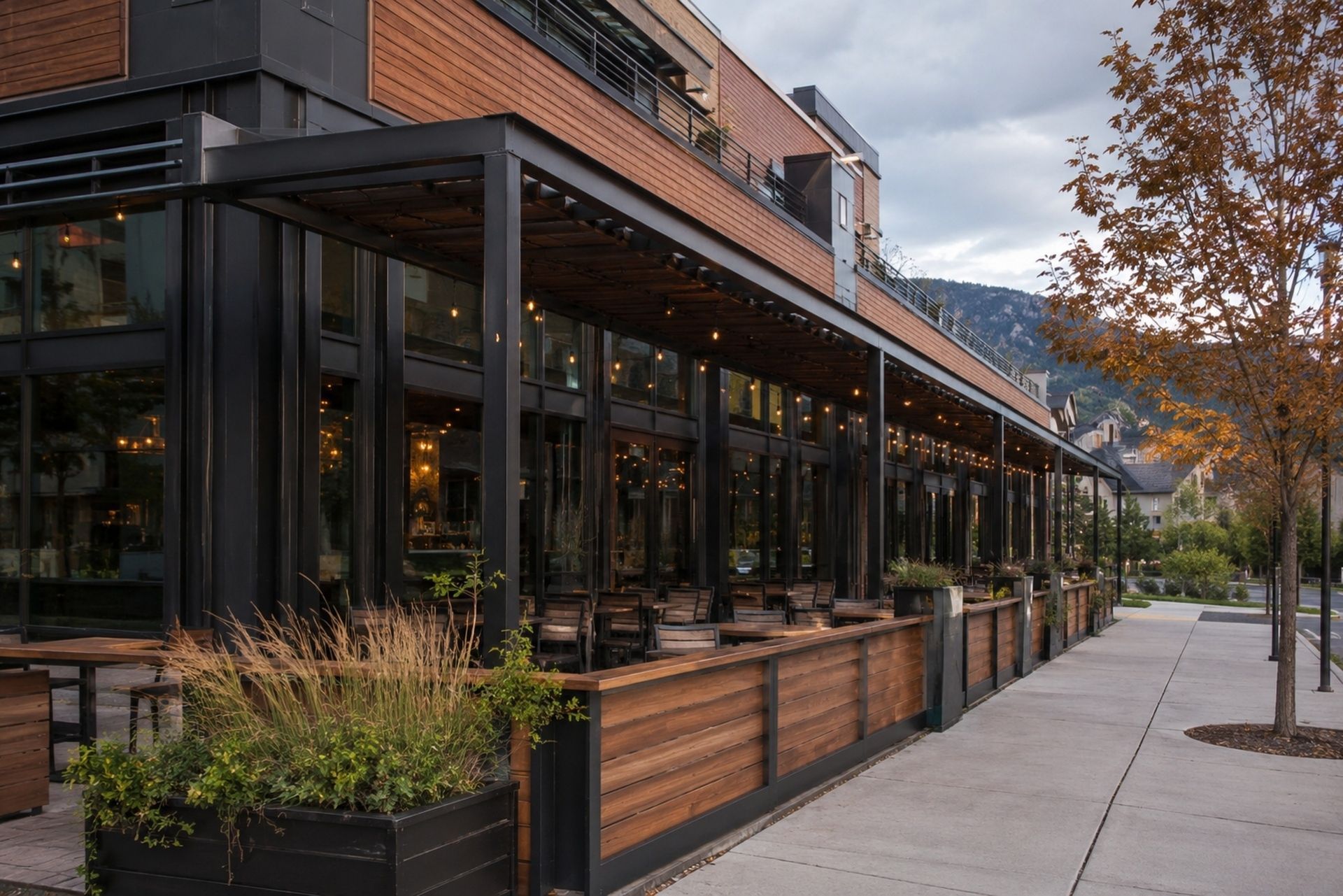
Front-of-house staff aren't immune either. Servers carrying heavy trays through crowded dining rooms regularly suffer shoulder strains and trip-related injuries. Outdoor patios in Colorado's mountain towns add ice and snow hazards during winter months, something a restaurant in Miami never worries about.
Practical prevention starts with non-slip mats in all kitchen and bar areas, immediate cleanup protocols for spills, proper footwear requirements (slip-resistant shoes should be mandatory), and cut-resistant gloves for prep work. These aren't expensive measures, but they dramatically reduce claim frequency.
Safety Training Programs and Equipment Standards
A written safety program does more than protect your employees; it signals to your insurance carrier that you're a lower risk. Many carriers and Pinnacol Assurance offer premium credits or dividends to restaurants that maintain documented training programs.
Your training should cover proper lifting techniques for cases of product, safe knife handling and storage, correct use of commercial kitchen equipment like slicers and mixers, emergency procedures for burns and chemical exposure, and slip prevention and spill response. New hires should complete safety orientation before they touch a piece of equipment. Refresher training every quarter keeps the information fresh. The
Colorado Division of Workers' Compensation provides resources for employers looking to build or improve their safety programs. Keep records of every training session, including attendance sheets and topics covered. These records become critical if you ever need to defend against a claim.
Managing Claims and Return-to-Work Programs
Reporting Procedures for Workplace Accidents
Speed matters when an employee gets hurt. Colorado requires employers to file a First Report of Injury with their insurance carrier within 10 days of learning about the injury. Missing this window can result in penalties and complicate the claim.
Your internal process should be even faster. Train managers to document injuries the same day they occur. Get the employee's written account of what happened, take photos of the scene, and identify witnesses. This documentation protects you if a claim is disputed later. For serious injuries requiring emergency care, direct the employee to an authorized treating physician within your carrier's network. Colorado allows the employer to select the treating physician for the first visit, which gives you some control over treatment quality and cost.
Implementing Modified Duty for Injured Employees
A strong return-to-work program is one of the best tools for controlling your EMR and keeping premiums down. When an injured cook can't stand at the line, offer them modified duty: inventory counts, menu planning assistance, safety documentation, or phone-based tasks like reservation management.
The goal is to keep the employee engaged and earning wages, which reduces the Temporary Total Disability (TTD) payments your carrier has to make. Lower TTD payouts mean lower claim costs, which directly improves your EMR over time. Work with your carrier's claims adjuster to develop modified-duty job descriptions before an injury happens. Having these ready to go means you can transition an injured employee into light work within days, not weeks.
Selecting the Right Policy and Provider in Colorado
Pinnacol Assurance vs. Private Insurance Carriers
Pinnacol Assurance is Colorado's state-chartered workers' comp insurer and the insurer of last resort for businesses that can't find coverage elsewhere. They cover roughly half of all Colorado employers. For restaurants with a clean claims history and stable payroll, private carriers often offer more competitive rates and flexible payment plans.
Here's how the two options generally compare:
| Factor | Pinnacol Assurance | Private Carriers |
|---|---|---|
| Availability | Accepts all Colorado employers | May decline high-risk accounts |
| Pricing | Competitive, dividend eligible | Often lower for low-EMR businesses |
| Claims Service | Strong local presence | Varies by carrier |
| Dividend Programs | Yes, based on loss experience | Some offer, not all |
| Payment Flexibility | Monthly, quarterly, annual | Typically more options |
If your restaurant has an EMR above 1.2 or a history of claims, Pinnacol might be your only realistic option. For well-run restaurants with clean records, shopping private carriers annually through a broker who specializes in hospitality or restaurant insurance can save thousands.
Utilizing Dividends and Safety Group Discounts
Both Pinnacol and some private carriers offer dividend programs that return a portion of your premium if your claims experience stays favorable. Pinnacol's dividend program has returned hundreds of millions to Colorado employers over the years.
Safety group programs pool similar businesses together. If the group's collective claims stay low, everyone in the pool gets a discount or dividend. Colorado has safety groups specifically for the restaurant and hospitality industry. Ask your broker about eligibility. The combination of a low EMR, participation in a safety group, and a strong return-to-work program can reduce your effective premium by 20% to 30% compared to a restaurant that does none of these things.:
Getting workers' comp right isn't just about compliance; it's about building a sustainable business. Start by confirming your class codes are accurate, since misclassification is one of the most common audit triggers. Invest in documented safety training, build a modified-duty program before you need one, and review your policy annually with a broker who knows the restaurant industry.
Colorado's declining loss cost trend is good news for restaurant owners, but you'll only benefit if your own claims history reflects that trend. Every prevented injury and every well-managed claim compounds over time, lowering your EMR and your premiums year after year. Don't wait for an injury to force your hand. Get a quote from both Pinnacol and at least two private carriers, compare the numbers, and make sure your coverage matches the real risks your team faces every shift.
Frequently Asked Questions
Do part-time restaurant employees need workers' comp coverage in Colorado? Yes. Colorado requires coverage for all employees regardless of hours worked. Even a part-time dishwasher or weekend host must be included on your policy.
How often does my workers' comp policy get audited? Most carriers conduct an annual payroll audit at the end of your policy term. They compare your estimated payroll to actual payroll and adjust your premium accordingly. Keep accurate payroll records sorted by class code.
Can I use an employee's personal health insurance instead of workers' comp? No. Health insurance doesn't cover workplace injuries the same way, and it doesn't satisfy Colorado's legal requirement. Workers' comp also covers lost wages and disability benefits, which health insurance does not.
What happens if a subcontractor gets hurt at my restaurant? If the subcontractor doesn't carry their own workers' comp policy, your carrier may treat them as your employee and charge premium on their wages. Always require certificates of insurance from subcontractors before they start work.
How long does an injury claim stay on my experience record? Claims typically affect your EMR for three years from the policy period in which the injury occurred. A single expensive claim can increase your premiums for the full three-year window.
About The Author:
John R. Thomas
As Commercial Lines Director and Managing Partner at Loft & Co Insurance Services, I specialize in crafting strategic insurance solutions for businesses—especially contractors, real estate owners, logistics firms, and industry-specific operations. With years of experience in risk management and policy design, I’m committed to delivering clarity, value, and protection that helps you focus on growth.
Contact Us
Risk Management from Real Experts With You in Charge
Professional Policies Designed For Your Business.
Enjoy tailored insurance and risk management solutions customized to your industry and business size.

Colorado Commercial Insurance Blog


Contact Us
Phone
Location
Denver
5990 Greenwood Plaza Blvd, Ste 270
Greenwood Village, CO 80111
Des Moines
130 E 3rd St. Ste 201
Des Moines, IA 50309